

![LIPS[リップス] - コスメのクチコミ検索アプリ](https://cloudflare.lipscosme.com/assets/lips_logo_full_2022-bc7b4bc9dd66035bc5696b0d16bc3d38a7be357186656c039e68cc4cf21ae675.png)


 埋め込み
埋め込み 投稿・コメントの報告


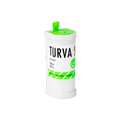
くるっと回すだけで使えるツイストアップ式のチューブ型クレンジングバーム。スパチュラ不要で最後まで清潔に使え、量の調整もしやすい衛生的な容器だから、毎日のクレンジングが本当にラクになります。 とろけるクリーミーバームは肌にのせるとバームからオイル、さらにミルクへと変化する3-IN-1処方で、SPFやウォータープルーフメイク、毛穴の奥に詰まった汚れや皮脂までやさしく浮かせてしっかりオフ。 動物由来成分不使用のヴィーガン処方と6-FREE設計で低刺激なので、敏感な日でも安心して使えます。さらにリフィル可能で便利な点も魅力。
もっと見る関連するクチコミ

 47
47 0
0- 2026.02.11
カルシウム不足が気になって、CBP配合のこちらを購入しました。粒は少し大きめですが、お水と一緒に飲めばスムーズに続けられます。ほんのり良い香りがするのも、毎日飲むサプリとしては嬉しいポイント! 届くまでに少し時間がかかったのが残念ですが、商品はとても良さそう。まだ飲み始めたばかりで効果はこれからですが、手軽にカルシウム補給できるので期待大です!
もっと見る
- 38
- 0
- 2026.02.18
マジで感動レベルの日焼け止めです!最初使った瞬間から、「これは私の相棒!」って思いました。 手も顔も汚さずサッと塗れるから、メイク中でも簡単に紫外線対策できちゃうんです。 テクスチャーは想像以上にクリーミーで、肌にべたつかない。むしろ、さらっとした使用感で、まるでスキンケア製品を塗っているみたい。
もっと見る- 42
- 2
- 2025.09.29
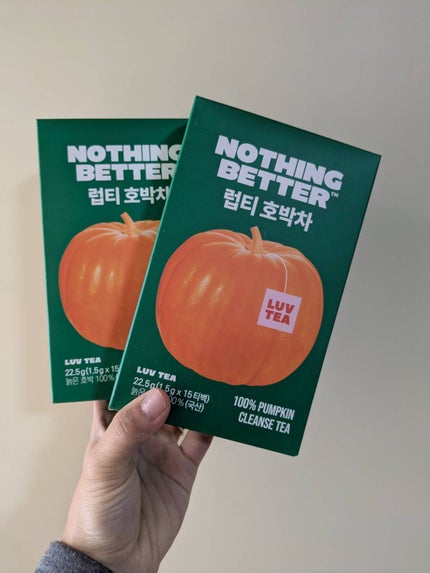
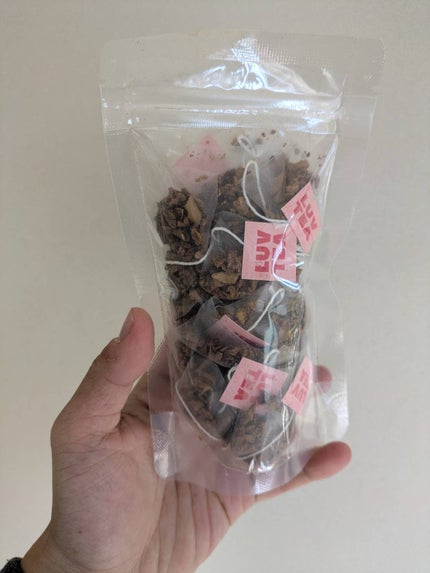
パケが可愛すぎる!緑の箱にかぼちゃのイラストが最高。 ただ、開けたらティーバッグが透明な袋にまとめて入っていて、ちょっと残念でした。 肝心の味は、良い意味で期待を裏切られました。 すごくすっきりしてて、クセがないんです。 飲んだ後にじんわりと優しい甘さが広がるのがたまらない! これが素材本来の旨味を感じる上品な後味で、
もっと見る- 43
- 3
- 2025.12.10
テクスチャーがすごく濃厚で、ハーブの香りが広がるのが贅沢!まるでサロンでスパを受けているみたいで、癒やされます。 洗い上がりは、頭皮がキュッと引き締まるようにスッキリするのに、髪はキシまずサラサラに。特に、根元がふんわり立ち上がるのが嬉しいポイントです。 自宅で本格的な頭皮ケアをしたい人には、ぜひおすすめしたいシャンプーです!
もっと見る- 45
- 0
- 2025.11.28
劇的な変化は感じないけど、生理が少し楽になった気がします。 一日一粒で飲みやすく、変な臭いもなくて、私はいつもお昼ご飯の後に飲んでいます。 パッケージも個包装で使いやすいし、価格もまあまあ納得。おまけのイージーパック複合ミネラルもついてきて嬉しい! 体に良いものを続けたい女性や、生理トラブルが気になる方にオススメです。 これからも体調管理のために続けてみようと思います。
もっと見る- 50
- 1
- 2025.12.24
普段の生活リズムを崩さずに一緒に管理できるところが良かったです🪴 体の重たさが軽く感じられて、朝のむくみ感も前よりラクになった気がしました☁️ スティックタイプなのでバッグに入れて持ち歩きやすく、サッと飲めるので習慣化しやすかったです🎒✨
もっと見る- 38
- 1
- 4ヶ月前
韓国の漢方ダイエットはもともと有名ですが、韓国まで行く時間や費用のハードルが高くて、なかなか挑戦できなかったんです💦 漢方ラインを購入してみました🌿 漢方っぽい香りも強すぎず、粒のサイズも小さいので、毎日続けて飲みやすかったです🙌 1週間目くらいからお腹まわりがスッキリしてきたのが目に見えて分かって本当に驚きました🥺✨
もっと見る- 38
- 0
- 4ヶ月前
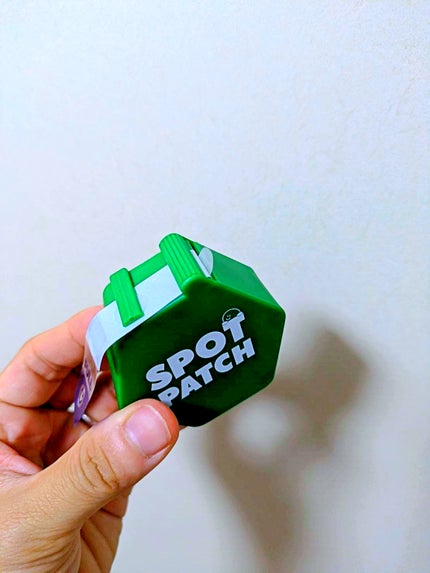
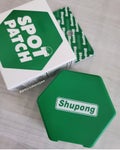
ロール設計です。使うたびに一枚ずつ簡単に取り出せるので、すごく衛生的で便利! ケースのデザインがシンプルで可愛いから、ニキビパッチだなんて全然分かりません。 特に気に入ったのは、ピンセットを使わなくても不器用な私でも簡単に貼れる手軽さと、一枚ずつ清潔に取り出せる衛生的なところです。
もっと見る- 45
- 1
- 2025.09.26
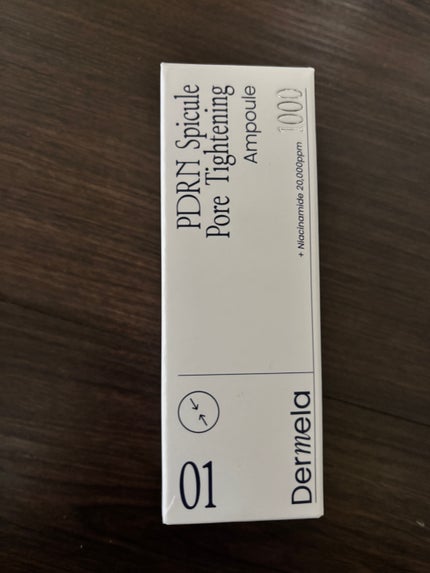
刺激が強いタイプかと思ってましたが、実際に使ってみると想像よりかなり低刺激でした。スピキュール入りなので塗った直後ほんのりチクっとしますが、赤みが出たりヒリヒリ続く事はなく、敏感肌でも問題なく使えてます。 使うほどに肌が落ち着き、キメが整ってきた印象です。特に翌朝の毛穴の見方が変わり、肌表面がなめらかで、卵肌って言う表現に納得しました。 攻めの美容液なのに、肌を守る処方がしっかり考えられていると感じます!
もっと見る- 53
- 3
- 2025.12.20
たった1日で肌の治安が落ち着いて、2日後には乾燥が気にならなくなっていたんです😭✨ テクスチャーはこっくりしているのに、肌にのせるとスーッとなじんでベタつかないところもドストライクです。 外部刺激でゆらぎやすい肌のバリア機能をしっかり整えてくれます。
もっと見る- 44
- 0
- 2ヶ月前
こっくりとした少し硬めのテクスチャーのクリームです。少量でも伸びが良く、肌にしっかりうるおいを蓋してくれるような使用感です! EGFとパンテノールを配合ということで、成分申し分なく、季節要因などでの乾燥やホルモンバランスで敏感な肌をしっかり保湿してくれるクリームです!
もっと見る- 49
- 2
- 1ヶ月前

















Thank you for sharing such a detailed and well-structured Data Analytics syllabus. It’s really helpful for beginners to understand the complete learning path—from fundamentals like data collection and cleaning to advanced topics like predictive analytics and machine learning. The inclusion of tools like SQL, Python, Tableau, and Power BI makes it very practical and industry-relevant. This kind of roadmap is great for anyone planning to build a strong career in data analytics. Also, for those who are interested in expanding their skills beyond analytics and exploring digital growth opportunities, I found this resource useful: https://www.pdmti.in/online-digital-marketing-course Thanks again for the informative post!