


 埋め込み
 投稿・コメントの報告


Apply Sunmask PPF's premium TPU film to preserve your vehicle and enjoy a long-lasting shine. Our cutting-edge TPU keeps the paint on your automobile looking brand new by repelling off UV rays, chipping, and scratches. You get invisible defense with TPU PPF that adds glossy finish and repairs tiny damages.
もっと見る関連するクチコミ

 33
 0
- 2025.09.23
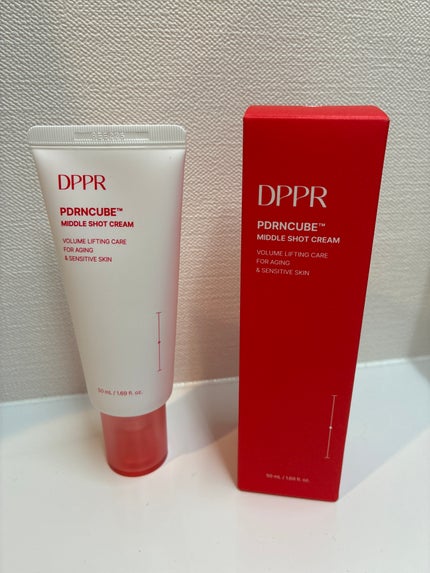
このPDRNキューブラインには10億個のPDRNキューブ成分が配合されております! 独自成分「シリゲン™」は189ダルトンという超低分子美容成分となっており、週ごとに変わるフェイスライン、3週間でふっくらとした中顔面のボリューム効果もあります🙆♀️ ノズル部分が透明になっているのですが、そこからいくらみたいな弾力のある弾けるカプセル入りのテクスチャーが出てきました😳初めて見るテクスチャー!
もっと見る
- 51
- 1
- 2025.09.08
最近よく見かけるヴィーガンコスメの中でも、パッケージがかわいくて気になっていたブランド。 最終的に選んだのは「B07 BAY」。落ち着いたピンクブラウン系で、秋冬メイクにぴったりのカラーです。 ティントなのに全然乾燥しなくて、夜までしっとり感が続きます。
もっと見る- 61
- 2
- 2025.11.11
無添加のハンドバーム🌺 どうしても、乾燥する時期になると手荒れが気になる。 去年やっと見つけたワイエスラボのハンドバーム。 香りも柑橘系で👍
もっと見る- 53
- 3
- 2025.10.16
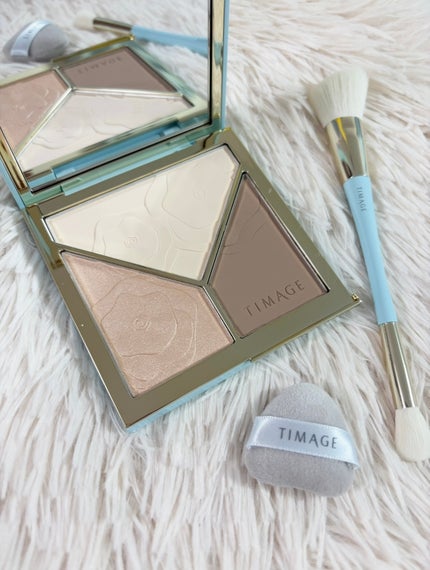
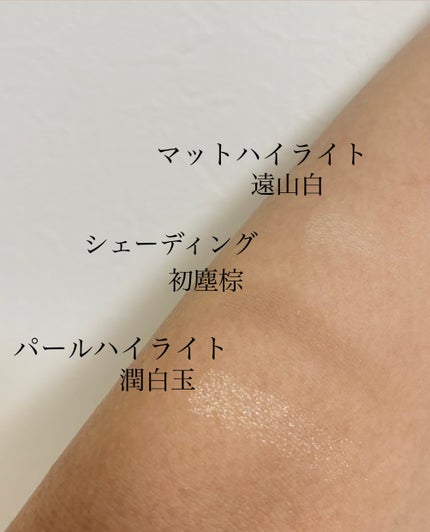
3in1パレットで上品な立体小顔を演出💗 繊細なパウダーが肌に密着し重ね塗りしても自然な仕上がりに🫶 アジア人の肌色に馴染むよう開発されたカラー で01日影柔のカラーはイエベ向け02月暉清はブルベ向けだそうです😊♡ 自然で上品なパール感が演出でき付属のブラシも使いやすい💞
もっと見る- 44
- 2
- 2025.08.23
ベタつきが少なくて重たさもなく、スーッとみずみずしくなじむ感じがよかった◎ 使いやすくて、洗顔後に毎日欠かさず塗ってます。 普段使いの美容液として使いやすいと思います
もっと見る- 45
- 0
- 2ヶ月前
China Cargo Airlines Seattle Office in Washington operates as an essential operational anchor, offering up-to-the-minute details on flight arrivals, departure schedules, and warehouse handling protocols. If your business faces unexpected supply chain shifts or needs immediate clarity on air waybill documentation, the local experts provide direct, definitive answers. By providing all details in one platform, this regional base seamlessly integrates commercial customer service with real-time transit data, giving your company total peace of mind as your freight crosses the Pacific.
もっと見る- 10
- 0
- 3ヶ月前
Overseas recruitment has become a strategic necessity for businesses seeking skilled professionals, cost efficiency, and global expansion. Expertise in Overseas Recruitment Processes One of the biggest advantages of working with HR is its deep understanding of overseas recruitment workflows. Compliance with International Labor Laws Each country has its own labor regulations, employment standards, and documentation requirements.
もっと見る- 11
- 0
- 2026.01.25
AssignmentsGenius is here to provide the best Python assignment help to students worldwide. Expert Python Programmers: Our team consists of highly qualified developers with extensive experience in Python programming. Plagiarism-Free Solutions: We provide 100% original content, ensuring your assignments are unique and error-free.
もっと見る- 26
- 0
- 2025.03.04
eLearning company USA, UK, Australia is a search phrase used by global businesses looking for a reliable, scalable, and innovative digital learning partner across multiple regions. Consistent training standards across regions Faster onboarding for distributed teams Reduced training costs compared to in-person sessions Custom course development tailored to business goals Instructional design expertise based on adult learning principles
もっと見る- 8
- 0
- 2026.01.09
Anulom Vilom is a simple yet powerful pranayama practice that helps calm the mind, balance the nervous system, and improve overall respiratory health. To begin, sit comfortably in a cross-legged position with your spine straight and shoulders relaxed, gently closing your eyes to bring awareness inward. Start by closing the right nostril with your thumb and inhale slowly and deeply through the left nostril, feeling the breath expand the lungs.
もっと見る- 18
- 0
- 2026.01.11
Karma Yoga is the yoga of action, where individuals perform their duties without attachment to results. Practicing this mindset gradually transforms daily activities into a form of meditation. One of the major Benefits of Karma Yoga is improved mental peace. When actions are performed without attachment to results, anxiety and fear naturally decrease.
もっと見る- 16
- 0
- 2026.03.25










コメント