

![LIPS[リップス] - コスメのクチコミ検索アプリ](https://cloudflare.lipscosme.com/assets/lips_logo_full_2022-bc7b4bc9dd66035bc5696b0d16bc3d38a7be357186656c039e68cc4cf21ae675.png)


 埋め込み
埋め込み 投稿・コメントの報告


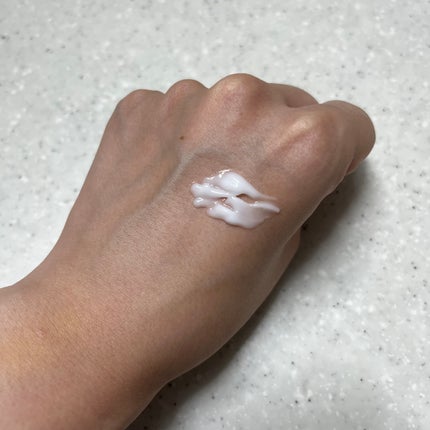
こっくり系なのに使いやすくてお気に入り🥹🤍 しっとりなめらかな白色クリームで、肌にのせるとスルッとなじむ感じ✨ EGF(sh-Oligopeptide-1)が10ppm、パンテノールが10,000ppm配合されてるのも嬉しいポイント👏🏻 朝も夜もスキンケアの最後にパール粒くらいでOKだから、少量でも使いやすい◎
もっと見る関連するクチコミ

 51
51 2
2- 1ヶ月前
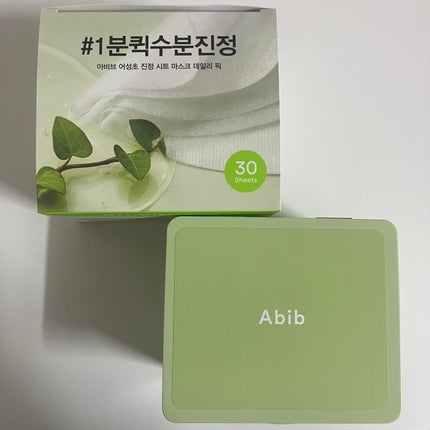
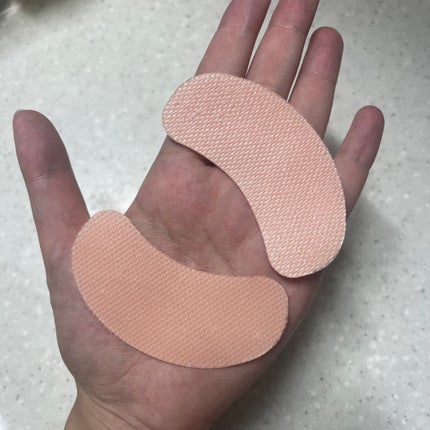
薄いのに水分ひたひたで、肌にピタッと密着🌿✨ ドクダミエキス×ケルセチンの組み合わせで、ゆらぎ肌もすばやく落ち着く感じが本当に良い🙆 赤みケアしながら、ツボクサ&3種ヒアルロン酸でしっかり保湿してくれるところも優秀💚 美容液7本分のたっぷりエッセンスで、最後の1枚まで乾燥知らずなのがありがたい🥺
もっと見る- 37
- 3
- 2025.11.23
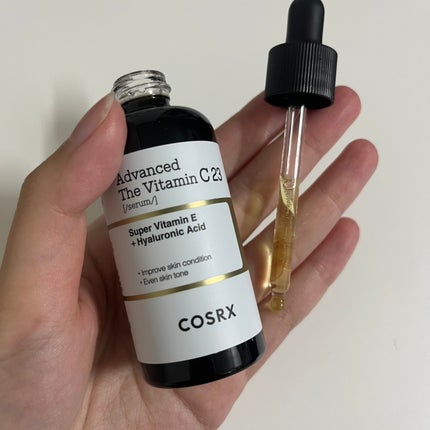
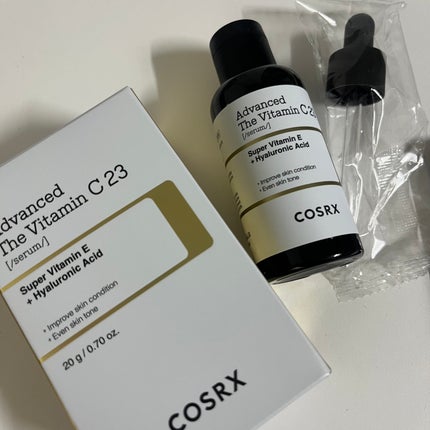
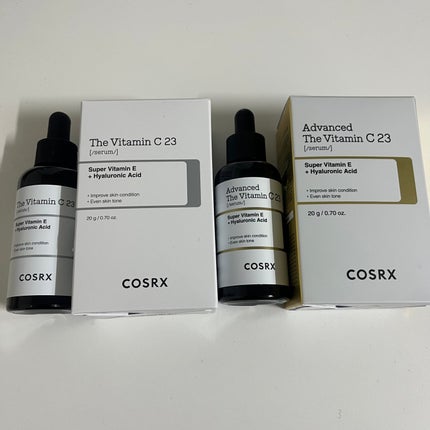
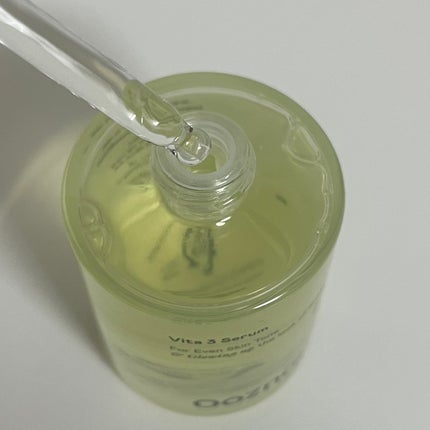
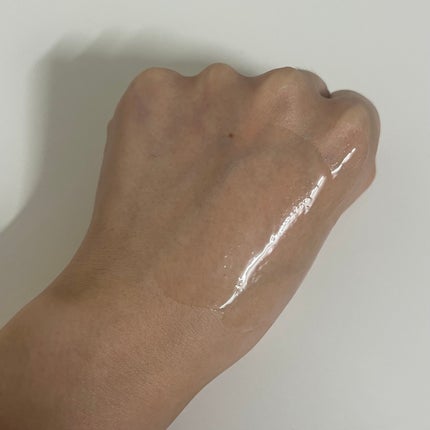
箱の梱包がとても丁寧で、スポイトと容器が別々に入っているのにびっくり。 テクスチャーは少しとろみのあるオイルっぽい質感で、肌にのせるとスッと伸びてすぐ馴染みます。 パッケージもシルバーからゴールドのデザインに変わって高級感アップ✨
もっと見る- 43
- 1
- 2025.10.29
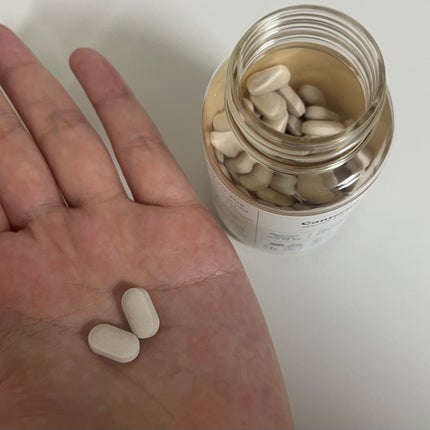
匂いもきつい匂いがなく、粒が大きすぎず飲みやすいのが嬉しいポイントです♪ 飲む日焼け止めとして人気が高く、口コミでも「色白になれる」と見かけたので美白ケアをスタートしました♡ 肌のトーンが少し明るくなって艶も出てきた気がして嬉しいです✨ リピートしている方が多いのも納得しました◎
もっと見る- 53
- 3
- 2025.08.19
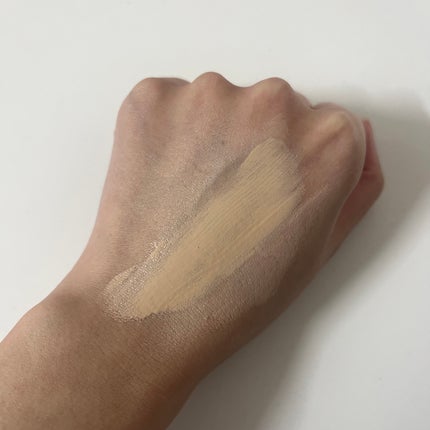
3年以上愛用中…何本リピしたかわからないくらい溺愛してます🧴💗 スキンケアみたいにスーッと伸びるテクスチャーで、トーンアップするのに白浮きしない・白くならない👏🤍 自然なツヤも出てうるツヤ肌に仕上がるから、下地としても優秀◎💄🌿 敏感肌でも肌荒れしない・刺激ゼロ、匂いも日焼け止めっぽい嫌な匂いがしなくて、顔に塗っても安心感しかない🫶💖
もっと見る- 48
- 1
- 2025.11.30
パッケージが軽くて持ち運びやすくて私好みでした◎ ただ、パウダーの色がやや白っぽくて、イエベ春の私には少し顔色が悪く見えてしまうかも… トーンが合えば、毛穴カバー力もあるし、塗った瞬間サラッサラになるので、夏には特に重宝しそうです! -5.7℃のクーリング効果は確かにひんやり感あり! 汗ばむ季節に涼しさを感じられるのもよき。
もっと見る- 48
- 1
- 2025.07.30
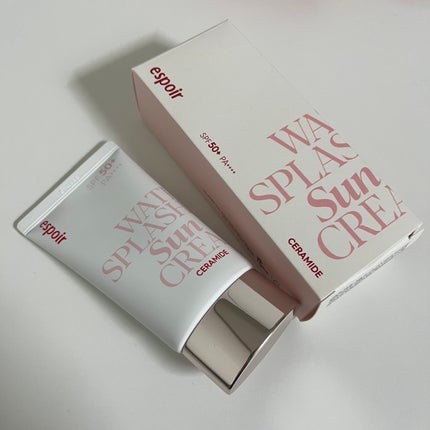
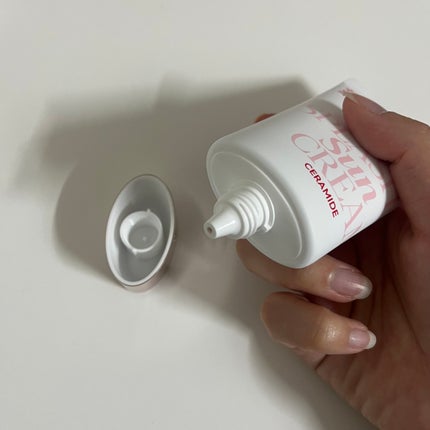
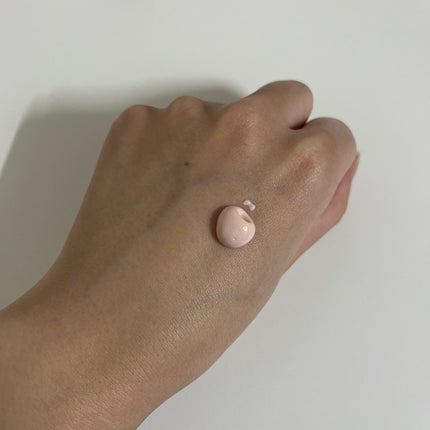
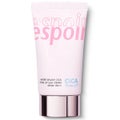
ウォータースプラッシュ シカトーンアップ サンクリームは、ピンクカラーのトーンアップ効果がしっかりあって、肌が明るく見える仕上がりです。 伸びの良いみずみずしいテクスチャーで、日焼け止め特有の重さやベタつきが少なく、まるで水分クリームを塗っているような使い心地◎ しっとりうるおうのに自然なツヤ感が出て、化粧ノリも良く感じました。
もっと見る- 42
- 0
- 2ヶ月前
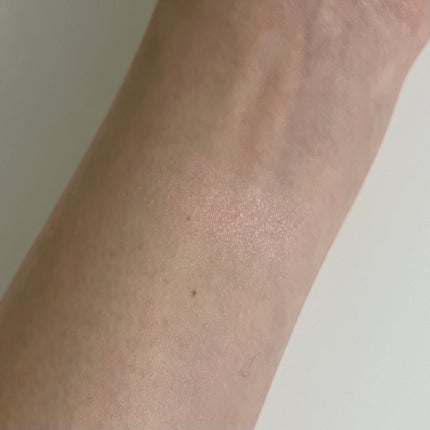
愛用している05番と比べると、より“クリアな発色”で自然な血色感がふわっと乗る感じ🍑✨ ブラシでのせると水彩画みたいにじわっと発色して、頬が優しく明るく見えるのがありがたい🤍 パウダーなのに密着度が高くて、よれにくくふんわり仕上がるのも好き。
もっと見る- 38
- 2
- 2025.11.23
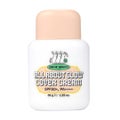
カバー力が想像以上で、薄く塗っても赤みや色ムラをしっかり隠してくれます。厚塗り感が出ないのに、肌がきれいに整う感じが◎ コンパクトで持ち運びやすいサイズ感なので、外で化粧ヨレを直したり、日焼け止めが落ちてしまった部分の塗り直しにも使いやすいです。 SPF50+ / PA++++ なのも安心ポイント。指で塗ると体温で溶けるようになじんで密着力が高く、パフを使うとさらにきれいに仕上がります。
もっと見る- 40
- 1
- 2026.01.27
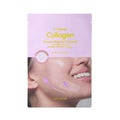
引き上げながら貼るのにちょっとコツがいりますが、フィット感は◎目元や眉間はカットして使うのが良さそうです。ベタつかず肌荒れもしなかったのは好印象!使ったあとは少しフェイスラインがすっきりした気がします。リフト感はあるけど、リピートするかは少し悩み中…。
もっと見る- 52
- 3
- 2025.07.29
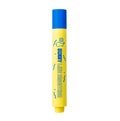
可愛らしいデザインで携帯にも便利なうえ、手を使わずにステンレスボールで直接塗布できるため、衛生的かつ快適に使用できます。 アデノシン(シワ改善成分)とナイアシンアミド(美白成分)が配合されており、使用後は目元や鼻筋にハリが出て、肌のトーンも明るく見えるように感じました^_^ 朝のスキンケア時に使用すると、目元のむくみもすっきりします!
もっと見る- 48
- 1
- 2025.06.30
とろっとしたテクスチャーがすぐに肌に馴染んで、しっとり感がずっと続くのが最高! 柑橘系の香りも爽やかで、スキンケアの時間が癒しタイムに変わります。 翌朝のお肌がつるんっとしていて感動しました✨ トーンアップ効果もあって、なんだか顔全体が明るくなった感じがします。 ビタミン系の美容液ってベタつきや刺激が心配だったけど、これは全然そんなことなくて使用感も仕上がりも大満足😍
もっと見る- 62
- 3
- 2025.08.19



















コメント