

![LIPS[リップス] - コスメのクチコミ検索アプリ](https://cdn.lipscosme.com/assets/lips_logo_full_2022-bc7b4bc9dd66035bc5696b0d16bc3d38a7be357186656c039e68cc4cf21ae675.png)












 埋め込み
埋め込み 投稿・コメントの報告


マットな高級感のあるボトルにテンションがあがりました。乳液タイプの美容液で、出したときトロミを強く感じましたが、とてものびがよくさらっとした使用感です。 乾いたあと肌をさわるともっちりとした感触で、保湿効果の高さを感じました。 香りがないので化粧品独特の香りが苦手な方にもおすすめです。
もっと見る関連するクチコミ

 53
53 1
1- 2025.02.18
開けてみてびっくり!この容器の形でプッシュ式というのは珍しいです。毎回定量出てくるので使いやすいですね。 白いクリームですがとても軽いテクスチャーで、のびが良いです。そして白残りしません。 塗布後ベトつきや肌がきしむ感じもありませんでした。慌ただしい朝も使用しやすいかなと思います。
もっと見る- 57
- 1
- 2025.02.18
FleetManagementSystemsinLogisticsandTransportationThelogisticsandtransportationindustriesarethelifebloodofglobalcommerce,...
もっと見る- 21
- 0
- 5ヶ月前
Marine Advance First Aid Vancouver is a critical skill set for anyone working or traveling in marine and offshore environments. Marine advanced first aid goes beyond basic first aid and CPR. It is designed specifically for marine environments where medical support is limited and conditions are unpredictable. Vancouver is one of Canada’s most active maritime hubs. With commercial shipping, fishing, tourism, and offshore operations happening daily, the risk of marine-related emergencies is real.
もっと見る- 30
- 0
- 3週間前
ReleaseDate:2025-Jul-29Thereporttitled‘PatientFlowManagementSolutionsMarket’deliversastructuredoverviewofhowtheindustryha...
もっと見る- 20
- 0
- 5ヶ月前
Hire Articulate Storyline specialists to create engaging, interactive, and results-driven eLearning courses that truly transform learning experiences. Improved Learner Engagement: Interactive modules, storytelling techniques, and multimedia elements keep learners engaged throughout the course. Seamless LMS Integration: Specialists ensure courses are fully compatible with SCORM, xAPI, and other LMS standards, enabling smooth tracking and reporting.
もっと見る- 11
- 0
- 4日前
Custom eLearning development services are transforming the way organizations train, upskill, and engage their workforce in today’s digital-first world.
もっと見る- 13
- 0
- 4日前
eLearning company USA, UK, Australia is a search phrase used by global businesses looking for a reliable, scalable, and innovative digital learning partner across multiple regions. Consistent training standards across regions Faster onboarding for distributed teams Reduced training costs compared to in-person sessions Custom course development tailored to business goals Instructional design expertise based on adult learning principles
もっと見る- 8
- 0
- 4日前
Rapid eLearning development has become the go-to solution for organizations that need high-quality training programs delivered quickly without compromising effectiveness. Rapid eLearning development is an approach that uses pre-built templates, authoring tools, and streamlined workflows to create digital learning content quickly. Faster Time to Market: Businesses can launch training programs quickly, keeping teams up to date with policies, products, and processes.
もっと見る- 15
- 0
- 4日前
e learning consultancy services are essential for organizations that want to design, implement, and optimize effective digital learning strategies. Modern organizations face challenges such as low learner engagement, outdated training materials, and a lack of measurable outcomes. Strategic Alignment: Training programs aligned with business goals
もっと見る- 10
- 0
- 4日前
Clinical research has emerged as one of the most promising career options for both freshers and career switchers seeking structured entry into healthcare. Enrolling in clinical research courses in Pune allows beginners to gain industry-specific knowledge without prior experience. Positions such as Clinical Trial Assistant, Clinical Research Coordinator, and Data Management Executive are accessible to freshers who possess the right foundational knowledge and training.
もっと見る- 24
- 0
- 1週間前
VirtualBiopsyMarketSize,Share,EmergingFactors,Trends,SegmentAtionandForecastto2035DateofPublication:2025-Jul-16TheVirtual...
もっと見る- 18
- 0
- 6ヶ月前







名無しのコスメ好きさんさんの人気クチコミ
Training and compliance software is a centralized digital system designed to manage employee learning, certifications, policies, and regulatory requirements. Canada’s regulatory environment places a strong emphasis on workplace safety, accessibility, data protection, and professional standards. Stay compliant with evolving regulations, reduce administrative workload, minimize human error, and improve workforce accountability.
もっと見る- 27
- 0
- 1日前
Compliance management systems are essential frameworks that help organizations meet legal, regulatory, and industry requirements while minimizing risks and ensuring ethical operations. A compliance management system (CMS) is a structured approach that organizations use to identify, monitor, manage, and improve compliance with laws, regulations, standards, and internal policies. Compliance failures can lead to legal penalties, financial losses, operational shutdowns, and long-term damage to brand reputation.
もっと見る- 24
- 0
- 4日前
Compliance management systems are essential frameworks that help organizations meet legal, regulatory, and industry requirements while minimizing risks and ensuring ethical operations. A compliance management system (CMS) is a structured approach that organizations use to identify, monitor, manage, and improve compliance with laws, regulations, standards, and internal policies. Compliance failures can lead to legal penalties, financial losses, operational shutdowns, and long-term damage to brand reputation.
もっと見る- 23
- 0
- 3日前
Onboarding and compliance software is a digital system designed to manage employee onboarding tasks while ensuring adherence to legal, safety, and organizational compliance requirements. In Canada, where employment laws, occupational health and safety standards, and accessibility regulations vary by province, this type of software plays a critical role in helping organizations meet their obligations accurately and consistently. Onboarding and compliance software ensures: Employees complete required documents before starting work, Mandatory training is assigned, tracked, and renewed on time.
もっと見る- 21
- 0
- 1日前
First Aid Courses in Calgary offer trusted, industry-recognized training to give individuals and organizations essential lifesaving skills. Experienced instructors deliver each course, combining expert teaching with hands-on practice to build real-world confidence and skill. After completing the course, participants receive a recognized certification that supports workplace safety standards and personal readiness.
もっと見る- 17
- 0
- 4週間前
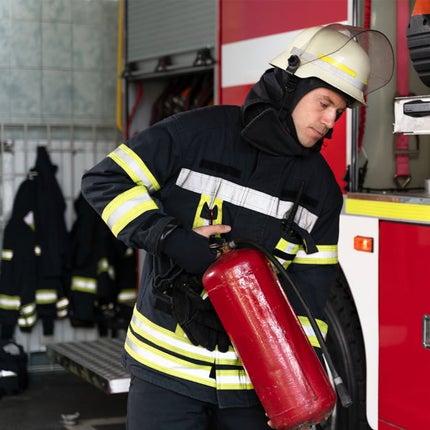
Fire extinguisher training is a critical component of workplace safety that prepares employees to respond quickly and correctly during fire emergencies. This training is suitable for offices, construction sites, warehouses, manufacturing facilities, healthcare centers, schools, and public venues anywhere fire risks exist. Trained employees can often extinguish small, manageable fires before emergency services arrive, reducing downtime and losses.
もっと見る- 17
- 0
- 6時間前
















コメント